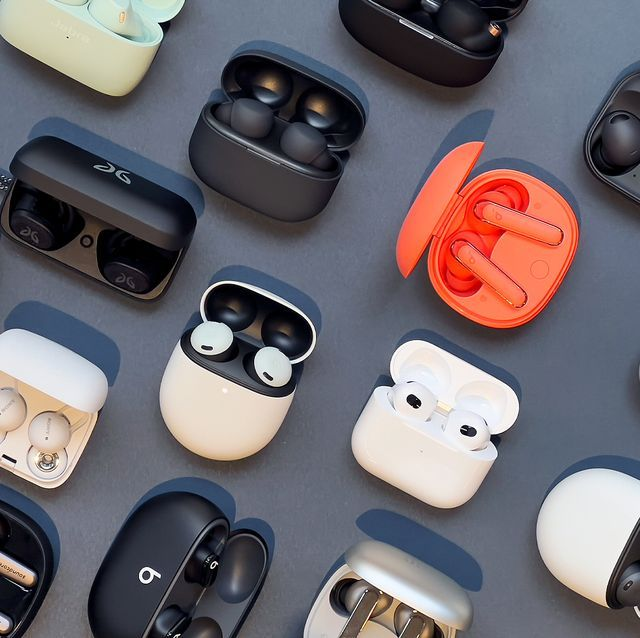

Wireless earbuds have become one of the most popular audio accessories for smartphone users. They are compact, easy to carry, and useful for music, calls, gaming, workouts, travel, and online meetings.
Modern wireless earbuds offer more than basic audio playback. Many models now include active noise cancellation, touch controls, voice assistants, water resistance, low-latency gaming modes, and advanced microphone systems.
However, not every pair of earbuds delivers the same quality. Some models provide excellent sound but average battery life, while others focus on comfort, calls, or fitness use. This wireless earbuds review explains the most important features buyers should compare before choosing a pair.
What Are Wireless Earbuds?
Wireless earbuds are small audio devices that connect to smartphones, laptops, tablets, and other devices through Bluetooth. Unlike traditional wired earphones, they do not require a physical cable connected to the device.
Most wireless earbuds come with a charging case. The case protects the earbuds and provides additional battery power when they are not being used.
Wireless earbuds are commonly used for:
- Listening to music
- Watching videos
- Making phone calls
- Attending online meetings
- Mobile gaming
- Exercising
- Travelling
- Listening to podcasts
- Using voice assistants
Their compact design makes them convenient for people who want portable audio without tangled wires.
Sound Quality
Sound quality is one of the most important factors in a wireless earbuds review. A good pair should deliver clear vocals, balanced bass, detailed instruments, and comfortable volume levels.
Different earbuds are tuned for different listening preferences.
Some models emphasize strong bass, making them suitable for electronic music, hip-hop, and workouts. Others provide a more balanced sound that works well for podcasts, acoustic music, movies, and everyday listening.
Important sound factors include:
- Bass depth
- Vocal clarity
- Treble detail
- Instrument separation
- Maximum volume
- Audio distortion
- Soundstage
- Equalizer support
Buyers should not judge earbuds only by driver size. Software tuning, fit, audio codecs, and ear-tip quality can also strongly affect sound performance.
Active Noise Cancellation
Active noise cancellation, commonly known as ANC, reduces surrounding noise by using microphones and audio processing.
ANC can be useful in places such as:
- Airplanes
- Buses and trains
- Busy offices
- Cafés
- Gyms
- Crowded streets
Premium earbuds normally provide stronger noise cancellation than budget models. However, even affordable earbuds can reduce low-frequency sounds such as engine noise and air-conditioning systems.
Noise cancellation may not block every sound completely. Sudden voices, alarms, and high-frequency noises can still remain audible.
Using ANC can also reduce battery life because the microphones and processors require additional power.
Transparency Mode

Transparency mode allows outside sound to enter while the earbuds remain in the ears. It is useful when users need to hear announcements, traffic, coworkers, or nearby conversations.
This feature may also be called:
- Ambient mode
- Awareness mode
- Hear-through mode
- Environmental sound mode
A good transparency mode should sound natural and avoid making outside voices appear artificial or overly loud.
For safety, users should avoid using strong noise cancellation when walking or cycling in busy traffic areas.
Comfort and Fit
Even excellent-sounding earbuds can be disappointing if they are uncomfortable.
Earbuds are available in different shapes and sizes. Some use silicone ear tips that sit inside the ear canal, while others use an open-fit design.
In-ear models usually provide:
- Better sound isolation
- Stronger bass
- More secure fit
- Improved noise cancellation
Open-fit earbuds may feel more comfortable for users who dislike pressure inside the ears. However, they may allow more outside noise and provide weaker bass.
Many earbuds include different ear-tip sizes. Choosing the correct size improves comfort, sound quality, and noise cancellation.
Users who exercise should look for earbuds that remain secure during movement.
Battery Life
Battery life is an important part of any wireless earbuds review.
Manufacturers usually provide two battery figures:
- Listening time from the earbuds
- Total battery life with the charging case
For example, the earbuds may provide several hours of playback, while the case offers multiple additional charges.
Battery performance depends on:
- Volume level
- Active noise cancellation
- Call usage
- Bluetooth connection
- Audio codec
- Spatial audio
- Voice assistant activity
Real-world battery life may be lower than advertised when ANC and other advanced features are enabled.
Fast charging is useful for busy users. Some models can provide a few hours of listening after a short charging session.
Charging Case
The charging case affects portability and convenience.
A good case should be:
- Compact
- Durable
- Easy to open
- Securely closed
- Simple to carry
- Equipped with useful battery indicators
Most earbuds charge through USB-C. Some premium models also support wireless charging.
Buyers should check whether a charging cable is included and whether the case fits comfortably inside a pocket.
A poorly designed case can make the earbuds difficult to remove or cause charging problems when the connection points become dirty.
Microphone and Call Quality
Wireless earbuds are frequently used for calls, voice messages, and online meetings. Microphone quality is therefore extremely important.
A good microphone system should capture clear speech while reducing background noise.
Call quality can be affected by:
- Wind
- Traffic
- Crowded rooms
- Internet connection
- Microphone placement
- Bluetooth stability
Some earbuds sound excellent for music but perform poorly during calls. Buyers who attend regular meetings should prioritize microphone testing instead of focusing only on sound quality.
Multiple microphones and voice-isolation technology can improve speech clarity in noisy environments.
Bluetooth Connectivity
Reliable Bluetooth connectivity helps prevent audio interruptions, delays, and disconnections.
Modern earbuds usually offer quick pairing and stable connections. Some models also support multipoint connectivity, allowing users to connect the earbuds to two devices at the same time.
Multipoint is useful for people who switch between a laptop and smartphone during work.
Buyers should check:
- Bluetooth version
- Connection range
- Pairing speed
- Multipoint support
- Device compatibility
- Connection stability
Walls, interference, and crowded wireless environments can reduce Bluetooth range.
Audio Latency and Gaming
Audio latency is the delay between an action on the screen and the sound reaching the earbuds.
A small delay may not be noticeable during music playback, but it can affect gaming and video watching.
Some wireless earbuds include a low-latency or gaming mode. This mode reduces delay and makes sounds feel more synchronized with on-screen actions.
Serious mobile gamers should compare:
- Gaming mode performance
- Connection stability
- Directional audio
- Microphone quality
- Battery usage
Wired earphones may still provide lower latency, but modern wireless models have improved significantly.
Water and Sweat Resistance
Water resistance is important for gym users, runners, and people who frequently use earbuds outdoors.
Earbuds may include an IP rating that indicates their protection against water and dust.
Buyers should check whether the model is suitable for:
- Sweat
- Light rain
- Heavy workouts
- Accidental splashes
Water-resistant does not always mean waterproof. Most wireless earbuds should not be used while swimming or fully submerged unless the manufacturer specifically allows it.
The charging case may also have a different protection rating from the earbuds.
Touch Controls
Many wireless earbuds use touch-sensitive controls for managing audio and calls.
Common controls include:
- Play and pause
- Skip tracks
- Adjust volume
- Answer calls
- Activate ANC
- Enable transparency mode
- Open a voice assistant
Good touch controls should respond accurately without activating accidentally.
Some brands allow users to customize controls through a companion application. This can improve convenience and make the earbuds easier to use.
Companion Application
A companion app can add useful customization options.
Depending on the model, users may be able to:
- Change equalizer settings
- Customize controls
- Update firmware
- Locate lost earbuds
- Test ear-tip fit
- Adjust noise cancellation
- Enable gaming mode
- View battery levels
Regular firmware updates can fix bugs, improve sound, and strengthen connectivity.
Users should install updates only through the official companion app or verified app store.
Wireless Earbuds for Different Users
Different earbuds are suitable for different needs.
For Music Lovers
Music-focused users should prioritize balanced sound, equalizer controls, codec support, and a comfortable fit.
For Calls and Work
Professionals should look for strong microphones, multipoint connectivity, long battery life, and reliable controls.
For Fitness
Fitness users need a secure fit, sweat resistance, lightweight design, and stable Bluetooth performance.
For Travel
Travellers may prefer strong noise cancellation, long battery life, fast charging, and a compact case.
For Gaming
Gamers should focus on low latency, clear directional sound, microphone performance, and stable connectivity.
Common Wireless Earbuds Problems
Wireless earbuds can occasionally experience technical issues.
Common problems include:
- One earbud not connecting
- Uneven battery drain
- Low volume
- Audio interruptions
- Charging failure
- Poor microphone quality
- Touch controls not responding
Many problems can be solved by cleaning the charging contacts, restarting Bluetooth, resetting the earbuds, or updating their firmware.
Users should also ensure that earwax or dust is not blocking the speaker mesh.
Common Buying Mistakes
Buyers sometimes choose earbuds based only on price, appearance, or brand name.
Common mistakes include:
- Ignoring comfort and fit
- Buying without checking call quality
- Expecting complete silence from ANC
- Overlooking battery life with ANC enabled
- Ignoring water-resistance ratings
- Buying unofficial or counterfeit products
- Forgetting device compatibility
- Choosing excessive bass over balanced sound
- Ignoring warranty support
Reading detailed reviews and comparing several models can help prevent these mistakes.
Conclusion
Wireless earbuds offer a convenient way to enjoy music, calls, entertainment, and online communication without using cables. The best model should provide a comfortable fit, clear sound, reliable battery life, stable Bluetooth connectivity, and suitable features for the user’s needs.
Music lovers should focus on audio quality and equalizer support, while professionals should prioritize microphone performance and multipoint connectivity. Fitness users need secure, sweat-resistant earbuds, and travellers may benefit most from strong noise cancellation and long battery life.
Before purchasing, buyers should compare sound quality, comfort, charging options, controls, durability, software support, and warranty coverage. A carefully selected pair of wireless earbuds can provide reliable performance and enjoyable audio for everyday use.