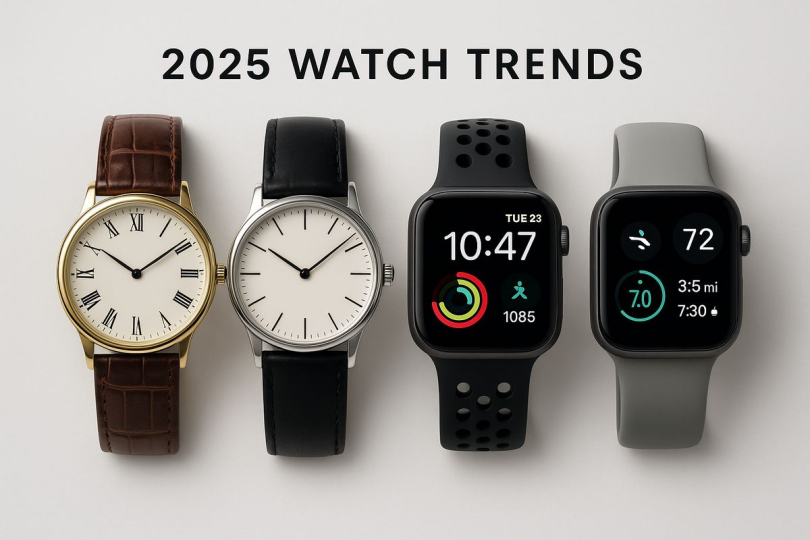

Smartwatches have become more than simple accessories. Modern models can display notifications, track workouts, monitor sleep, control music, support contactless payments, and help users manage daily activities directly from their wrists.
However, choosing the right smartwatch can be confusing. Some models are designed for fitness tracking, while others focus on productivity, health features, outdoor activities, or smartphone integration. Prices also vary widely depending on the brand, materials, sensors, and available applications.
This smartwatch buying guide explains the most important features to compare before purchasing. Understanding compatibility, battery life, health tracking, design, durability, and software support can help buyers choose a device that matches their lifestyle and budget.
What Is a Smartwatch?
A smartwatch is a wearable electronic device that connects to a smartphone or works independently through Wi-Fi or mobile connectivity. It provides quick access to information and applications without requiring users to check their phones repeatedly.
Common smartwatch functions include:
- Call and message notifications
- Step and activity tracking
- Heart-rate monitoring
- Sleep tracking
- Workout recording
- Music controls
- Navigation
- Alarm and calendar reminders
- Contactless payments
- Weather information
Some advanced smartwatches can also make calls, stream music, and use online services without remaining connected to a nearby phone.
Check Smartphone Compatibility First
Compatibility is one of the most important factors in any smartwatch buying guide. Not every watch works equally well with every smartphone.
Apple Watches are designed mainly for iPhone users. They provide strong integration with Apple services, notifications, applications, and health data.
Wear OS watches are generally designed for Android devices, although the exact features may depend on the phone brand and watch manufacturer.
Some fitness watches work with both Android and iOS, but certain features may be limited on one platform.
Before buying, check:
- Supported phone operating system
- Minimum Android or iOS version
- Companion application requirements
- Calling and messaging compatibility
- Payment service availability
- Health data synchronization
Choosing a compatible smartwatch ensures that notifications, applications, and tracking features work correctly.
Decide How You Will Use the Smartwatch
Different users expect different things from a smartwatch. Identifying your main purpose can make the selection process easier.
Everyday Users
Everyday users may need notifications, timers, weather information, music controls, and basic fitness tracking. A mid-range smartwatch can usually provide these features without a premium price.
Fitness Users
Fitness-focused buyers should look for accurate activity tracking, workout modes, GPS, heart-rate monitoring, water resistance, and detailed exercise reports.
Outdoor Users
Hikers, runners, cyclists, and adventure users may require strong GPS performance, offline maps, durable construction, long battery life, and better weather resistance.
Business Users
Business users may value calendar access, call handling, reminders, voice assistants, message replies, and professional designs.
Health-Conscious Users
People interested in general wellness may prefer watches with sleep tracking, heart-rate alerts, breathing exercises, stress monitoring, and activity reminders.
Smartwatch health features are useful for general awareness, but they should not replace professional medical testing or advice.
Smartwatch Display Types
The display affects readability, battery life, appearance, and everyday usability.
AMOLED and OLED Displays
AMOLED and OLED screens provide bright colours, deep blacks, and strong contrast. They look premium and are easy to read indoors.
These displays often support an always-on mode, allowing users to view the time without raising their wrists. However, always-on display can reduce battery life.
LCD Displays
LCD screens are common in affordable smartwatches. They can provide good brightness and clear visuals, although they may not offer the same contrast as OLED displays.
Memory-in-Pixel Displays
Some sports and outdoor watches use power-efficient displays designed for visibility in sunlight. They may look less colourful indoors but can provide significantly longer battery life.
Buyers should also compare screen size, resolution, brightness, and protective glass.
Battery Life
Battery performance varies greatly between smartwatches. Some feature-rich watches require daily or frequent charging, while fitness-focused models may last for several days or even weeks.
Battery life depends on:
- Display brightness
- Always-on display
- GPS usage
- Mobile connectivity
- Workout tracking
- Heart-rate monitoring
- Application activity
- Notification frequency
Users who track long outdoor workouts should choose a watch with strong GPS battery performance.
Fast charging is also useful. A watch that charges quickly can regain enough power during a short break or before sleeping.
Manufacturer battery claims should be treated as estimates because real-world usage can produce different results.
Fitness and Workout Tracking
Fitness tracking is one of the main reasons people purchase smartwatches.
Most watches can record:
- Steps
- Distance
- Calories
- Active minutes
- Heart rate
- Running
- Walking
- Cycling
- Swimming
- Strength training
More advanced models may include automatic workout detection, training recovery information, running dynamics, route tracking, and personalized exercise suggestions.
Buyers should choose a smartwatch that supports the activities they perform regularly. A watch with hundreds of workout modes is not necessarily better if the user only needs walking, running, and gym tracking.
GPS and Navigation
Built-in GPS allows a smartwatch to record routes, distance, and speed without depending entirely on a smartphone.
GPS is especially important for:
- Runners
- Cyclists
- Hikers
- Outdoor walkers
- Travellers
Some affordable watches use connected GPS, meaning they depend on the phone’s location system. This can still work well, but users must carry their phones during activities.
Premium outdoor watches may include multi-band location tracking, offline maps, route guidance, and location-sharing features.
Health and Wellness Features
Modern smartwatches include various sensors designed to provide general health and wellness information.
Common features include:
- Continuous heart-rate monitoring
- Resting heart-rate reports
- Sleep duration tracking
- Blood oxygen estimates
- Stress tracking
- Breathing exercises
- Menstrual cycle tracking
- Inactivity reminders
Some models may offer additional features depending on regional approval and device compatibility.
Users should understand that sensor readings can be affected by wrist placement, movement, skin contact, and device quality. Any concerning result should be confirmed through appropriate professional care.
Sleep Tracking
Sleep tracking can show estimated sleep duration, bedtime patterns, and different sleep stages.
A useful sleep-tracking smartwatch should be comfortable enough to wear overnight and have sufficient battery life.
Some watches also provide:
- Sleep scores
- Bedtime reminders
- Snoring detection through connected phones
- Recovery suggestions
- Overnight heart-rate information
Although sleep data can help users understand general habits, wearable estimates are not always perfectly accurate.
Water and Dust Resistance
Water resistance is important for workouts, swimming, rain, and daily use.
A smartwatch may have a water-resistance rating that indicates whether it is suitable for hand washing, showering, or swimming.
Buyers should check the manufacturer’s official guidance rather than assuming every water-resistant watch is suitable for all water activities.
Important considerations include:
- Swimming support
- Freshwater or saltwater limitations
- Diving suitability
- Water-lock mode
- Warranty conditions
Water resistance can also decrease over time due to wear, damage, or repairs.
Smart Notifications and Calling
Most smartwatches display incoming calls, messages, emails, and app notifications.
However, the level of interaction varies. Some watches only display notifications, while others allow users to reply using:
- Voice input
- Small keyboards
- Quick responses
- Emojis
Bluetooth calling allows users to answer calls when the phone is nearby. LTE or cellular watches may make calls independently, although they often require an additional mobile plan.
Users who receive many notifications should choose a watch with good filtering and management options to avoid constant distractions.
Smartwatch Applications and Software
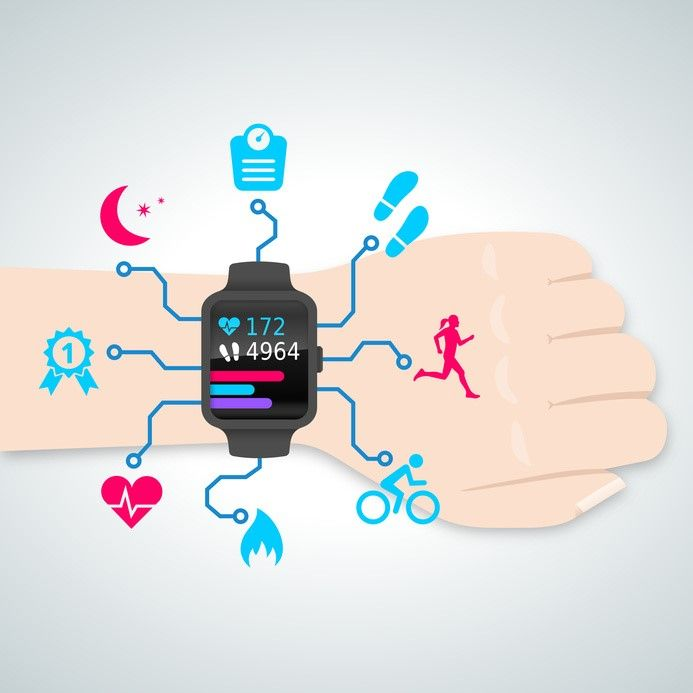
Software quality can be just as important as hardware.
A good smartwatch platform should provide:
- Regular security updates
- Stable phone synchronization
- Useful applications
- Simple navigation
- Customizable watch faces
- Reliable notifications
- Health data management
Premium platforms usually offer more third-party applications, while simpler fitness watches may provide better battery life with fewer apps.
Long-term software support is important because outdated watches may lose compatibility with newer smartphones and applications.
Design, Size and Comfort
A smartwatch is worn for many hours, so comfort matters.
Buyers should consider:
- Case size
- Watch thickness
- Weight
- Strap material
- Button placement
- Wrist size
- Watch face shape
Large watches may provide better displays and battery life, but they can feel uncomfortable on smaller wrists.
Interchangeable straps make it easier to switch between sports, casual, and professional styles.
People with sensitive skin should select breathable and comfortable strap materials.
Build Quality and Durability
Smartwatch durability depends on the materials and intended use.
Common case materials include:
- Plastic
- Aluminium
- Stainless steel
- Titanium
Plastic models are often lightweight and affordable. Aluminium provides a balance between weight and durability, while stainless steel and titanium may feel more premium.
Outdoor users should look for scratch-resistant glass, strong buttons, reinforced cases, and reliable water resistance.
A protective case or screen protector may be useful for users working in demanding environments.
Storage, Music and Payments
Some smartwatches include internal storage for applications, music, podcasts, and offline content.
Offline music is useful for exercise because users can connect wireless earbuds directly to the watch without carrying a phone.
Contactless payment support is another convenient feature, but availability depends on the watch platform, bank, payment provider, and country.
Before buying, confirm whether the preferred payment system is supported in your region.
Budget and Long-Term Value
Smartwatches are available in budget, mid-range, and premium categories.
Budget models usually provide notifications and basic activity tracking. Mid-range watches often add better displays, GPS, calling, and more accurate sensors.
Premium models may offer advanced materials, cellular connectivity, larger app ecosystems, and stronger health or outdoor features.
Buyers should also consider:
- Replacement strap costs
- Charger availability
- Warranty support
- Battery replacement options
- Software update policy
- Subscription requirements
A cheaper smartwatch may provide excellent value when it includes all the features a user genuinely needs.
Common Smartwatch Buying Mistakes
Many buyers focus on appearance or feature numbers without checking practical details.
Common mistakes include:
- Ignoring smartphone compatibility
- Choosing an uncomfortable size
- Expecting medical-level accuracy
- Overlooking battery life
- Paying for unnecessary features
- Ignoring software support
- Assuming all watches support swimming
- Forgetting regional payment limitations
- Buying an LTE model without checking mobile-plan support
Careful comparison can prevent disappointment and unnecessary spending.
Conclusion
A smartwatch can improve fitness tracking, communication, productivity, and everyday convenience. However, the best model depends on smartphone compatibility, intended use, battery expectations, health features, design preferences, and budget.
Fitness users should prioritize accurate tracking, GPS, water resistance, and battery life. Business users may prefer strong notification management, calling, applications, and a professional design. Outdoor users should focus on durability, navigation, and extended battery performance.
Before purchasing, compare software support, comfort, display quality, sensor features, and long-term costs. By following this smartwatch buying guide, users can select a wearable device that provides useful features, reliable performance, and good value for everyday use.